Botulinum neurotoxins (BoNT) are enzymes produced by a type of bacteria (Clostridium botulinum). They are considered the most potent biological toxins that can affect humans1.

BoNT have long been known for their paralytic effects on human voluntary musculature by inhibiting release of the neurotransmitter acetylcholine at neuromuscular junctions2. This paralysis can produce a variety of therapeutic benefits in a variety of health conditions such as muscular hyperactivity, glandular hypersecretions, and pain3.

Although BoNT are valued in the medical world for their therapeutic applications, they are more widely known as the cause of botulism, a life-threatening state of paralytic poisoning caused by ingestion of BoNT. In 1793, the first known outbreak of botulism occurred due to consumption of spoiled sausage in southern Germany. The German physician and poet Justinus Kerner published the first accurate description of the clinical symptoms of botulism (Latin: botulus, "sausage"). Kerner was also the first to postulate that the toxin might be used for therapeutic purposes4.

Modern BoNT treatment was pioneered by Alan B. Scott and Edward J. Schantz in the early 1970s, when the Type-A serotype was used in medicine to correct strabismus (misalignment of the eyes)5. From ophthalmology, BoNT rapidly spread into numerous medical specialties. In fact, BoNT is the therapy of choice for many of its therapeutic indications, and for some indications it has revolutionized treatment strategies altogether6.

There are seven distinct botulinum toxins produced by different strains of the bacterium. However, BoNT Type A is considered to be the most important active ingredient in pain medicine. BoNT Type A is purified and marketed as Botox by Allergan, Inc.

Botox decreases muscle activity by blocking overactive nerve impulses that trigger excessive muscle contractions or glandular activity7. In addition, Botox is believed to influence the pain sensory system by inhibiting the release of neurotransmitters involved in the transmission of painful sensations, although the exact mechanism of action is unknown8.

The effects of Botox are not permanent. With time, nerve impulse activity and associated muscle contractions resume over the course of a few to several months, depending on the individual patient and the indication for which they are being treated9. This necessitates periodic treatments to maintain the therapeutic effects of the drug.

Indications

Although Botox is most commonly known for its cosmetic, wrinkle-reducing effects, which it achieves by inhibiting contraction of dynamic muscles in the face, and its ability to counteract hyperhidrosis (excessive sweating), it is also highly effective in the treatment of various pain conditions. Proponents of BoNT suggest its properties can decrease muscle spasms, ischemia and inflammatory markers, thereby reducing pain in such conditions10.

Some of the painful conditions treated by Botox include:

  • Chronic Musculoskeletal Pain Conditions — A systematic review and meta-analysis examining trials of plantar fasciitis, tennis elbow, shoulder pain, whiplash, and myofascial pain found that overall there was a small to moderate pain reduction among BoNT Type A patients when compared to control11. The researchers concluded BoNT Type A had a small to moderate analgesic effect in chronic musculoskeletal pain conditions. Patients with fibromyalgia, another condition involving chronic musculoskeletal pain, may also benefit from Botox injections12.
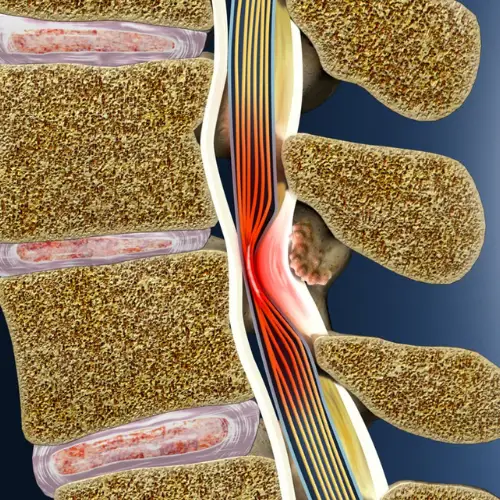
  • Low Back Pain/Sciatica — A review of three randomized, controlled trials found the first trial demonstrated that Botox injections reduced pain at three and eight weeks, and improved function at eight weeks better than saline injections; the second trial showed that Botox injections were better than injections of corticosteroid plus lidocaine or placebo in patients with sciatica attributed to piriformis syndrome; and the third trial concluded that Botox injections were better than traditional acupuncture in patients with third lumbar transverse process syndrome13. And a prospective, randomized, double-blind, controlled trial conducted to evaluate the efficacy of BoNT Type A in relieving myofascial pain in patients experiencing mechanical low back pain due to bilateral myofascial pain syndrome found injection of BoNT Type A seemed to provide significant post-intervention pain relief.
  • Migraine/Headaches — A study designed to assess the efficacy, safety, and tolerability of Botox as a headache treatment in adults with chronic migraine found Botox resulted in significant improvements compared with placebo in multiple headache symptom measures, and significantly reduced headache-related disability and improved functioning, vitality, and overall health-related quality of life14. Furthermore, repeat treatments with Botox were safe and well tolerated. And, in a blinded animal study, the effect of Botox on the mechanical and chemical responsiveness of individual temporalis muscle nociceptors and muscle neurogenic vasodilation in female rats found injection of Botox into craniofacial muscles acts to decrease migraine headaches by rapidly decreasing the mechanical sensitivity of pain receptors located in the muscles of the temples15.
  • Shoulder Pain — A Cochrane Systematic Review of benefits and harms of BoNT for shoulder pain, including 6 randomized controlled trials with 164 patients all comparing single BoNT Type A injections to placebo, found BoNT Type A injections decreased pain and improved shoulder function in patients with chronic shoulder pain due to spastic hemiplegia or arthritis16.
  • Neuropathic Pain — Botox injections have been proven beneficial to treat nerve pain. In fact, some researchers assert that Botox produces its most robust pain-relieving effects in patients with neuropathic pain conditions17. Animal models of neuropathic pain show Botox produces long-lasting (e.g., 85 days) anti-allodynic and anti-hyperalgesic effects together with an acceleration of regenerative processes in injured nerves18,19. Further, a randomized, double-blind, placebo-controlled study showed BoNT Type A injections significantly decreased pain in patients with post herpetic neuralgia and reduced opioid use compared with lidocaine and placebo at day 7 and 3 months post-treatment20. Patients injected with Botox also experienced increased sleep times. In addition, Botox has been shown to be beneficial in the treatment of trigeminal neuralgia21,22,23, and diabetic peripheral neuropathy24,25,26.
  • Complex Regional Pain Syndrome (CRPS) — Botox has benefitted patients with CRPS, a condition driven by the sympathetic nervous system that results in an array of symptoms including hyperalgesia, allodynia, skin discoloration, swelling, poor circulation, and nerve damage. Botox has also aided patients with Raynaud’s Syndrome, a related condition that causes extremities such as fingers and toes feel numb and cool in response to cold temperatures or stress, and can lead to ischemic ulcers, pain, and loss of function. A study from the Yale Unversity School of Medicine found injection of BoNT Type A into affected muscles may alleviate symptoms of CRPS, including myofascial pain, allodynia, discoloration, and tissue swelling27. And a study in 14 men and 19 women with Raynaud's who received Botox injections noted the treatment appeared to improve perfusion of the hand after direct injection around the neurovascular bundles28.
  • Pelvic Pain/Bladder Pain — BoNT Type A injections may benefit patients with chronic pelvic pain conditions. For example, a randomized, placebo-controlled trial found Botox injections in 13 men produced a 30% response rate compared with 13% for placebo29. Also, a study in administration of Botox® to patients with refractory painful bladder syndrome and symptoms of anxiety, depression and poor quality of life showed the treatment reduced bladder pain, and improved psychological functioning, and well-being30. And BoNT Type A was shown to be an effective treatment option for women with vaginismus secondary to vulvar vestibular syndrome through improvements in pain, bowel/bladder function, and sexual function31.
  • Muscle Spasticity — According to numerous clinical trials, painful upper limb, post-stroke, and other types of muscle spasticity have been treated successfully with Botox® injections. In particular, in stroke survivors Botox® has been shown to decrease tone and improve active and passive functioning, helping to reduce pain and prevent secondary changes such as contractures and weakness that may occur with prolonged hypertonicity32,33,34,35,36,37.

Benefits/Risks

A significant benefit of Botox is that is a minimally invasive treatment. Often, it alleviates pain so effectively that patients are able to avoid more invasive procedures such as open surgery. Another benefit is of Botox is that its effects are not permanent. This allows the patient to discontinue the treatment without lasting effects if desired.

Most complications of Botox pertain to its cosmetic uses. In non-cosmetic uses, one reported risk is development of flu-like symptoms (i.e., symptoms of an upper respiratory tract infection associated with fever, general malaise or fatigue, within one month after Botox injections and not secondary to any other identified condition)38. The authors of the report noted that most patients have a mild to moderate symptoms lasting less than 2 weeks and no clear risk factors have been identified for this complication. In addition, generalized weakness distant from the site of injection has been reported as a side-effect39.

Although botulinum toxin (BoNT) has been used for therapeutic purposes for more than 20 years, the list of potential new indications continues to grow and includes various pain syndromes40. Although the pain-reducing effect of Botox is mainly due to its ability to block neurotransmitter release at the synapse, the other effects of Botox on the nervous system are also thought to be responsible for the drug’s beneficial effects41. Promising new applications for Botox in chronic pain syndromes are being discovered and clinical trials to test these applications are in progress.

References

  1. Hanchanale VS, Rao AR, Martin FL, & Matanhelia SS. (2010). The unusual history and the urological applications of botulinum neurotoxin. Urol Int., 85(2), 125-30.
  2. Truong DD, Stenner A, & Reichel G. (2009). Current clinical applications of botulinum toxin. Curr Pharm Des., 15(31),3671-80.
  3. Erbguth FJ. (2008). From poison to remedy: the chequered history of botulinum toxin. J Neural Transm., 115(4), 559-65.
  4. Erbguth FJ. (2008). From poison to remedy: the chequered history of botulinum toxin. J Neural Transm., 115(4), 559-65.
  5. Erbguth FJ. (2008). From poison to remedy: the chequered history of botulinum toxin. J Neural Transm., 115(4), 559-65.
  6. Dressler D, & Saberi FA. (2009). [Botulinum toxin: from drug to poison].[Article in German]. Fortschr Neurol Psychiatr., 77 Suppl 1, S49-54.
  7. "Mechanism of Action." OnabotulismtoxinA. Allergan, Inc., 2010. Web. 12 Jul 2011. [PDF]www.allergan.com/assets/pdf/Botox_mechanism_of_action.pdf.
  8. "Mechanism of Action." OnabotulismtoxinA. Allergan, Inc., 2010. Web. 12 Jul 2011. [PDF]www.allergan.com/assets/pdf/Botox_mechanism_of_action.pdf.
  9. "Mechanism of Action." OnabotulismtoxinA. Allergan, Inc., 2010. Web. 12 Jul 2011. [PDF]www.allergan.com/assets/pdf/Botox_mechanism_of_action.pdf.
  10. Waseem Z, Boulias C, Gordon A, Ismail F, Sheean G, & Furlan AD. (2011). Botulinum toxin injections for low-back pain and sciatica. Cochrane Database Syst Rev., (1), CD008257.
  11. Zhang T, Adatia A, Zarin W, Moitri M, Vijenthira A, Chu R, Thabane L, & Kean W. (2011). The efficacy of botulinum toxin type A in managing chronic musculoskeletal pain: a systematic review and meta analysis. Inflammopharmacology., 219(1), 21-34.
  12. Asherson RA, Pascoe L. (2001). The use of botulinum toxin-A in the treatment of patients with fibromyalgia.J Rheumatol., 28(7), 1740.
  13. Waseem Z, Boulias C, Gordon A, Ismail F, Sheean G, & Furlan AD. (2011). Botulinum toxin injections for low-back pain and sciatica. Cochrane Database Syst Rev., (1), CD008257.
  14. Dodick DW, Turkel CC, DeGryse RE, Aurora SK, Silberstein SD, Lipton RB, Diener HC, & Brin MF. (2010). OnabotulinumtoxinA for treatment of chronic migraine: pooled results from the double-blind, randomized, placebo-controlled phases of the PREEMPT clinical program. Headache., 50(6), 921-36.
  15. Gazerani P, Au S, Dong X, Kumar U, Arendt-Nielsen L, & Cairns BE. (2010). Botulinum neurotoxin type A (BoNTA) decreases the mechanical sensitivity of nociceptors and inhibits neurogenic vasodilation in a craniofacial muscle targeted for migraine prophylaxis. Pain., 151(3), 606-16.
  16. Singh JA, & Fitzgerald PM. (2011). Botulinum toxin for shoulder pain: a cochrane systematic review. J Rheumatol. 238(3), 409-18.
  17. Ranoux D. (2011). [Botulinum toxin and painful peripheral neuropathies: what should be expected?]. [Article in French]. Rev Neurol (Paris)., 167(1), 46-50.
  18. Marinelli S, Luvisetto S, Cobianchi S, Makuch W, Obara I, Mezzaroma E, Caruso M, Straface E, Przewlocka B, & Pavone F. (2010). Botulinum neurotoxin type A counteracts neuropathic pain and facilitates functional recovery after peripheral nerve injury in animal models. Neuroscience., 171(1), 316-28.
  19. Ranoux D. (2011). [Botulinum toxin and painful peripheral neuropathies: what should be expected?]. [Article in French]. Rev Neurol (Paris)., 167(1), 46-50.
  20. Xiao L, Mackey S, Hui H, Xong D, Zhang Q, Zhang D.(2010). Subcutaneous injection of botulinum toxin a is beneficial in postherpetic neuralgia. Pain Med., 11(12), 1827-33.
  21. Yoon SH, Merrill RL, Choi JH, & Kim ST. (2010). Use of botulinum toxin type A injection for neuropathic pain after trigeminal nerve injury. Pain Med., 11(4), 630-2.
  22. Bohluli B, Motamedi MH, Bagheri SC, Bayat M, Lassemi E, Navi F, & Moharamnejad N. (2011). Use of botulinum toxin A for drug-refractory trigeminal neuralgia: preliminary report. Oral Surg Oral Med Oral Pathol Oral Radiol Endod., 2111(1), 47-50.
  23. Ngeow WC, & Nair R. (2010). Injection of botulinum toxin type A (BOTOX) into trigger zone of trigeminal neuralgia as a means to control pain. Oral Surg Oral Med Oral Pathol Oral Radiol Endod., 109(3), e47-50.
  24. Bach-Rojecky L, Salković-Petrisić M, Lacković Z. (2010). Botulinum toxin type A reduces pain supersensitivity in experimental diabetic neuropathy: bilateral effect after unilateral injection. Eur J Pharmacol., 633(1-3), 10-4.
  25. Yuan RY, Sheu JJ, Yu JM, Chen WT, Tseng IJ, Chang HH, & Hu CJ. (2009). Botulinum toxin for diabetic neuropathic pain: a randomized double-blind crossover trial. Neurology., 72(17), 1473-8.
  26. Kaufman JL, & Karceski S.(2009). Using botulinum toxin to treat diabetic foot pain. Neurology., 72(17), e82-5.
  27. Safarpour D, & Jabbari B. (2010). Botulinum toxin A (Botox) for treatment of proximal myofascial pain in complex regional pain syndrome: two cases. Pain Med., 11(9), 1415-8.
  28. Neumeister MW. (2010). Botulinum toxin type A in the treatment of Raynaud's phenomenon. J Hand Surg Am., 35(12), 2085-92.
  29. Gottsch HP, Yang CC, & Berger RE. (2011). A pilot study of botulinum toxin A for male chronic pelvic pain syndrome. Scand J Urol Nephrol., 45(1), 72-6.
  30. Giannantoni A, Cagini R, Del Zingaro M, Proietti S, Quartesan R, Porena M, & Piselli M. (2010). Botulinum A toxin intravesical injections for painful bladder syndrome: impact upon pain, psychological functioning and Quality of Life. Curr Drug Deliv., 7(5), 442-6.
  31. Bertolasi L, Frasson E, Cappelletti JY, Vicentini S, Bordignon M, & Graziottin A. (2009). Botulinum neurotoxin type A injections for vaginismus secondary to vulvar vestibulitis syndrome. Obstet Gynecol., 114(5), 1008-16.
  32. Marciniak C. (2011). Poststroke hypertonicity: upper limb assessment and treatment. Top Stroke Rehabil., 18(3), 179-94.
  33. Murie-Fernández M, Carmona Iragui M, Gnanakumar V, Meyer M, Foley N, & Teasell R. (2011). Painful hemiplegic shoulder in stroke patients: causes and management. [Article in English, Spanish]. Neurologia., 2011 Apr 21. [Epub ahead of print]
  34. McCrory P, Turner-Stokes L, Baguley IJ, De Graaff S, Katrak P, Sandanam J, Davies L, Munns M, & Hughes A. (2009). Botulinum toxin A for treatment of upper limb spasticity following stroke: a multi-centre randomized placebo-controlled study of the effects on quality of life and other person-centred outcomes. J Rehabil Med., 41(7), 536-44.
  35. Kanovský P, Slawek J, Denes Z, Platz T, Sassin I, Comes G, & Grafe S. (2009). Efficacy and safety of botulinum neurotoxin NT 201 in poststroke upper limb spasticity. Clin Neuropharmacol., 32(5), 259-65.
  36. Olvey EL, Armstrong EP, & Grizzle AJ. (2010). Contemporary pharmacologic treatments for spasticity of the upper limb after stroke: a systematic review. Clin Ther., 32(14), 2282-303.
  37. Sheean G, Lannin NA, Turner-Stokes L, Rawicki B, & Snow BJ. (2010). Botulinum toxin assessment, intervention and after-care for upper limb hypertonicity in adults: international consensus statement. Eur J Neurol., 17 Suppl 2,74-93.
  38. Baizabal-Carvallo JF, Jankovic J, & Pappert E. (2011). Flu-like symptoms following botulinum toxin therapy. Toxicon., 58(1), 1-7.
  39. Crowner BE, Torres-Russotto D, Carter AR, & Racette BA. (2010). Systemic weakness after therapeutic injections of botulinum toxin a: a case series and review of the literature. Clin Neuropharmacol., 33(5):243-7.
  40. Ferreira JJ, Couto M, Costa J, Coelho M, Rosa MM, & Sampaio C. (2006). [Botulinum toxin for the treatment of pain syndromes]. [Article in Portuguese]. Acta Reumatol Port., 31(1), 49-62.
  41. Casale R, & Tugnoli V. (2008). Botulinum toxin for pain. Drugs R D., 9(1), 11-27.

Add comment


Security code
Refresh

Who's Online

We have 217 guests and 1 member online